
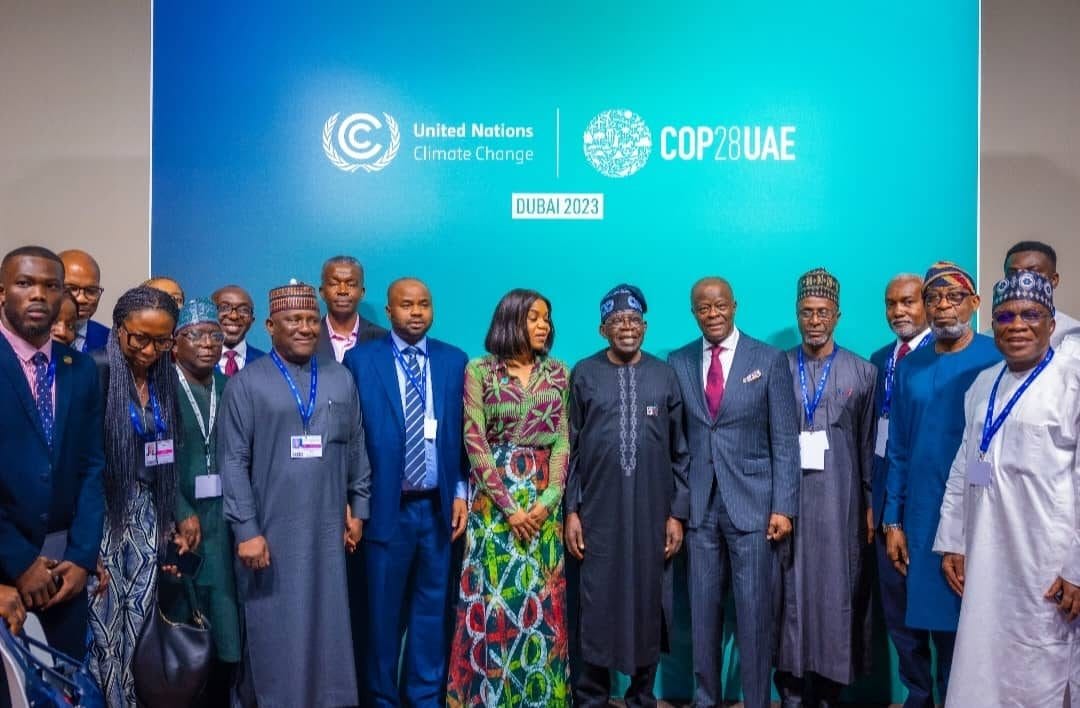
The 28th United Nations Conference of the Parties (COP28) in Dubai discussed critical matters related to the provision of sustainable housing. With urbanization contributing significantly to global carbon emissions, the focus was on finding sustainable and practical housing solutions. Here are some discussions and initiatives that emerged from COP28 on sustainable housing:
Decarbonizing the Construction Giants: France and Morocco launched the Building Breakthrough initiative to decarbonize the construction sector by 2030. This initiative aims to make clean technologies and sustainable materials globally accessible and affordable, especially in rapidly urbanizing developing nations. This is particularly vital for developing nations, where rapid urbanization presents both opportunity and environmental challenges.
Empowering the Informal Sector: Often ignored, the informal construction sector in low-income communities received attention at COP28. The spotlight was on promoting low-carbon and sustainable materials, emphasizing minimal material use, reuse, and transitioning to locally sourced, bio-based alternatives.
Resilience in the Face of Climate Change: With increasing extreme weather events, discussions highlighted the need for climate-resilient housing. Solutions include disaster-resistant techniques, flood-resistant materials, and elevating structures in flood-prone areas to protect vulnerable communities and ensure long-term stability.
The Importance of Prioritizing Human Needs: Beyond structures, COP28 emphasized creating livable, healthy, and equitable communities. Integration of social considerations, ensuring affordability and accessibility for people with disabilities, and incorporating culturally appropriate design elements are vital for sustainable and inclusive housing development.
The discussions at COP28 provide a roadmap for creating a future where everyone has access to safe, sustainable, and resilient housing. By implementing the innovative solutions and collaborative initiatives that emerged, we can pave the way for a built environment that meets the needs of the present while protecting the planet for future generations.